
In power systems, protective devices are essential for ensuring the reliability and safety of electricity supply. The dropout fuse, a common device for overload and short-circuit protection, is widely used in distribution networks.

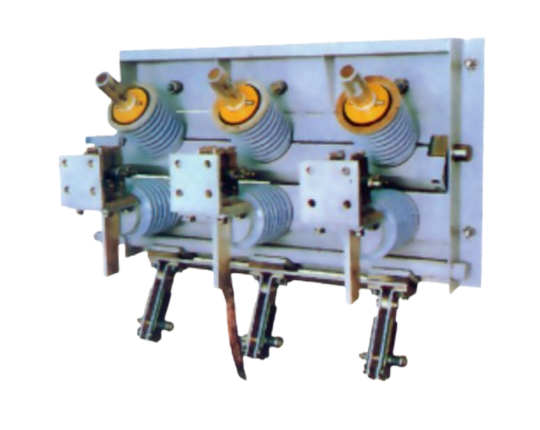
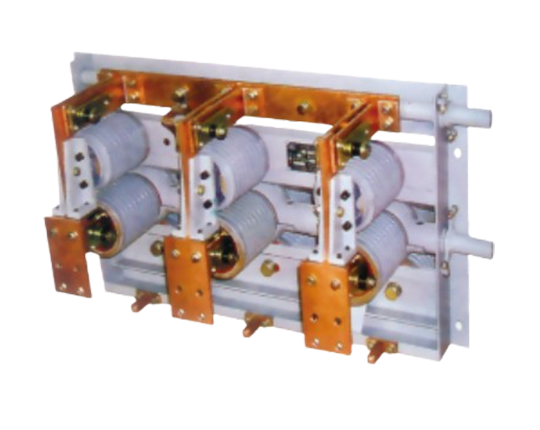
A dropout fuse consists of the following key components:
Fuse Tube: The core component housing the fuse element.
Support Insulator: Supports the fuse tube and ensures electrical isolation from conductive parts.
Operating Mechanism: Enables manual or electric operation of the fuse’s dropout action.
Base: Secures the fuse and connects it to the power system’s conductors.
The dropout fuse operates based on the thermal effect of current. When the circuit current exceeds the fuse’s rated value, the fuse melts due to overheating, cutting off the circuit to protect it.
Normal Operation: The fuse remains intact, the circuit stays closed, and current flows smoothly.
Overload or Short-Circuit Condition: A sudden current surge causes the fuse to heat up and melt rapidly, breaking the circuit.
Choosing the right fuse is critical for optimal performance. The dropout fuse’s rated current should be slightly higher than the circuit’s normal operating current to avoid melting under normal conditions. Its melting characteristics must align with the circuit’s protection needs, ensuring rapid disconnection during overloads or short circuits.
After the fuse melts, the fuse tube drops automatically due to gravity, known as the dropout action. This serves two purposes:
Isolates Faulty Section: Quickly separates the faulty section from the grid, preventing fault escalation.
Facilitates Maintenance: The dropped fuse tube is easy to replace, simplifying repairs for maintenance crews.
The operating mechanism can be manual or electric. Manual mechanisms suit small distribution systems, while electric mechanisms are used in large systems for remote control.
Manual Operation: Operators use a lever to trigger the dropout action.
Electric Operation: Electric mechanisms enable remote control, enhancing safety and convenience.
The base and insulators secure the fuse while ensuring electrical isolation from conductive parts. Insulators, made from materials with excellent insulating properties, ensure safe operation in high-voltage environments.
Simple structure and easy maintenance.
Fast action with effective protection.
Relatively low cost, suitable for wide applications.
Requires regular fuse inspection and replacement, increasing maintenance efforts.
Sensitive to environmental conditions like humidity and temperature, which may affect performance.
Distribution Networks: Protects distribution lines from overloads and short circuits.
Transformer Protection: Safeguards transformers from damage due to overloads or short circuits.
Motor Protection: Prevents motor damage from overloads and short circuits.
Regular maintenance is vital for ensuring the dropout fuse’s reliable operation. Key tasks include:
Fuse Inspection: Regularly check fuse conditions and replace damaged ones promptly.
Insulator Cleaning: Clean insulators to prevent dirt or contaminants from compromising insulation.
Mechanism Check: Ensure the operating mechanism is flexible and reliable, repairing or replacing damaged parts as needed.
This is the last one.