
In the vast electrical grid, current flows like a mighty river, continuously powering our lives and work. However, this immense energy must be strictly controlled and protected during transmission to prevent uncontrolled surges or leaks that could harm people and equipment. In this process, insulators, as indispensable components of the power system, play a critical role. This article delves into the role of insulators, revealing their invisible power in ensuring electrical safety.
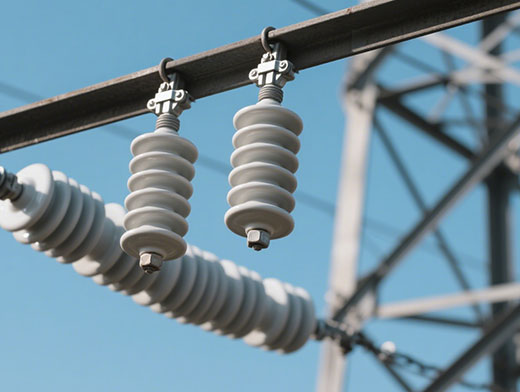
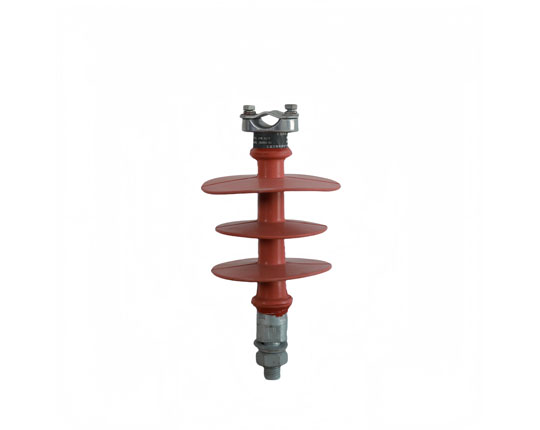
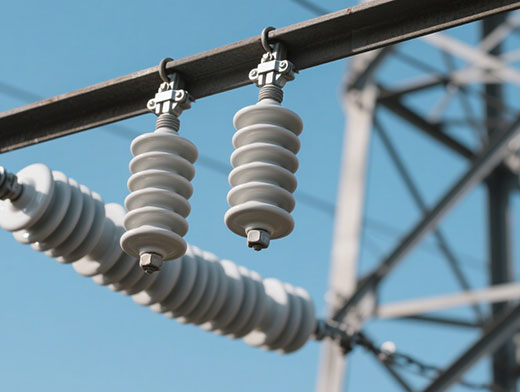
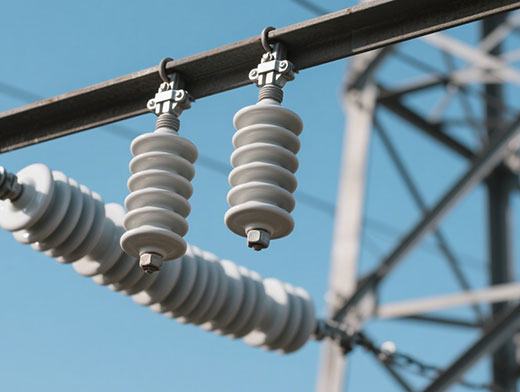
An insulator is a device used to isolate the conductive parts of electrical equipment from grounded parts or other conductive components, maintaining electrical insulation. Typically made from materials like ceramic, glass, or composites, insulators withstand voltage, mechanical stress, and harsh environmental conditions. They come in various types, such as suspension insulators, pin insulators, and post insulators, depending on their application and installation location.
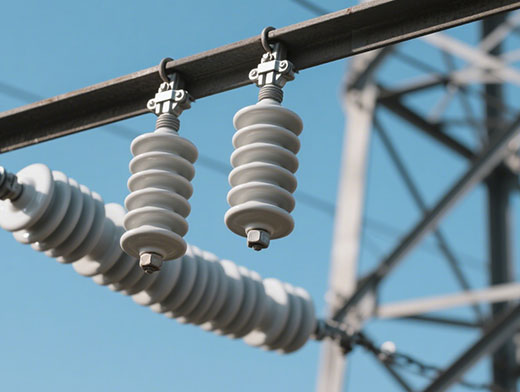
These insulators are vital in high-voltage overhead transmission and distribution lines, providing both insulation and conductor support. Multiple insulator units are often assembled into strings to meet different voltage requirements. Notably, in high- or ultra-high-voltage lines, specialized ceramic suspension insulators are used to support lightning conductors. Available in glazes like white, brown, milky white, and blue, these insulators ensure safe and reliable line operation.
Disc-shaped glass suspension insulators are categorized into standard, ordinary, and pollution-resistant types. Additionally, specialized designs like spherical and aerodynamic glass insulators play essential roles in high-voltage transmission and distribution lines.
Manufactured using advanced integral injection molding, rod-shaped composite suspension insulators feature elegant umbrella designs, minimal interfaces, and seamless bonding between the core rod and sheath, ensuring excellent internal insulation and eliminating the risk of interface breakdown. Their compact structure, small size, light weight, and elasticity eliminate the need for regular cleaning. These characteristics simplify transportation and installation, significantly reduce maintenance costs, and facilitate accident repairs and compact line designs.
As an emerging type, rod-shaped suspension insulators feature metal connectors at both ends and a high-strength interlocking design in the middle. Their advantages include:
Non-breakdown structure, avoiding issues like steel cap explosions caused by cement expansion or electrothermal faults in disc insulators.
Long-rod design reduces the number of fittings and simplifies the structure.
Superior electrical performance, with increased creepage distance enhancing pollution resistance.
Significantly reduced radio interference.
Elimination of zero-value or low-value insulator issues, ensuring safety and reliability.
The core function of insulators is to provide electrical insulation. In power systems, sufficient isolation between electrical equipment and between equipment and ground is essential to prevent current leakage and short circuits. With high resistivity and low conductivity, insulators effectively block electrical connections, ensuring safe and stable power transmission.
Beyond insulation, insulators provide critical mechanical support. In high-voltage transmission lines spanning complex terrains like mountains and rivers, insulators serve as stable support points. Their robust structure and material properties withstand conductor weight, wind, and temperature fluctuations, ensuring reliable operation and stable power transmission.
Insulators also offer environmental protection. In harsh conditions like lightning, pollution, or snow, insulators resist external erosion, safeguarding power infrastructure. Composite insulators, with superior weather resistance and anti-pollution capabilities, perform reliably in extreme environments.
Insulators’ excellent performance boosts overall power system reliability. When a fault occurs, insulators quickly isolate the issue, preventing it from spreading and affecting other equipment. This reduces downtime, limits outage scope, and improves system efficiency and service quality.
With the rapid advancement of the power industry, insulator performance continues to improve. New materials, processes, and technologies drive innovation. For instance, composite insulators, with their lightweight, high strength, and pollution resistance, are gradually replacing traditional ceramic insulators. Smart insulators, equipped with sensors and monitoring technology, enable real-time condition monitoring and early warnings, further enhancing system safety and reliability.
As indispensable components of power systems, insulators play a vital role in ensuring safe and stable power transmission. From electrical insulation and mechanical support to environmental protection and system reliability, insulators demonstrate unique advantages and value. With ongoing technological innovation, insulators are poised to play an even greater role in building safer, more reliable, and greener power networks in the future. As a trusted partner in the industry, Histe provides the high-performance insulators that serve as the foundation for this critical infrastructure.