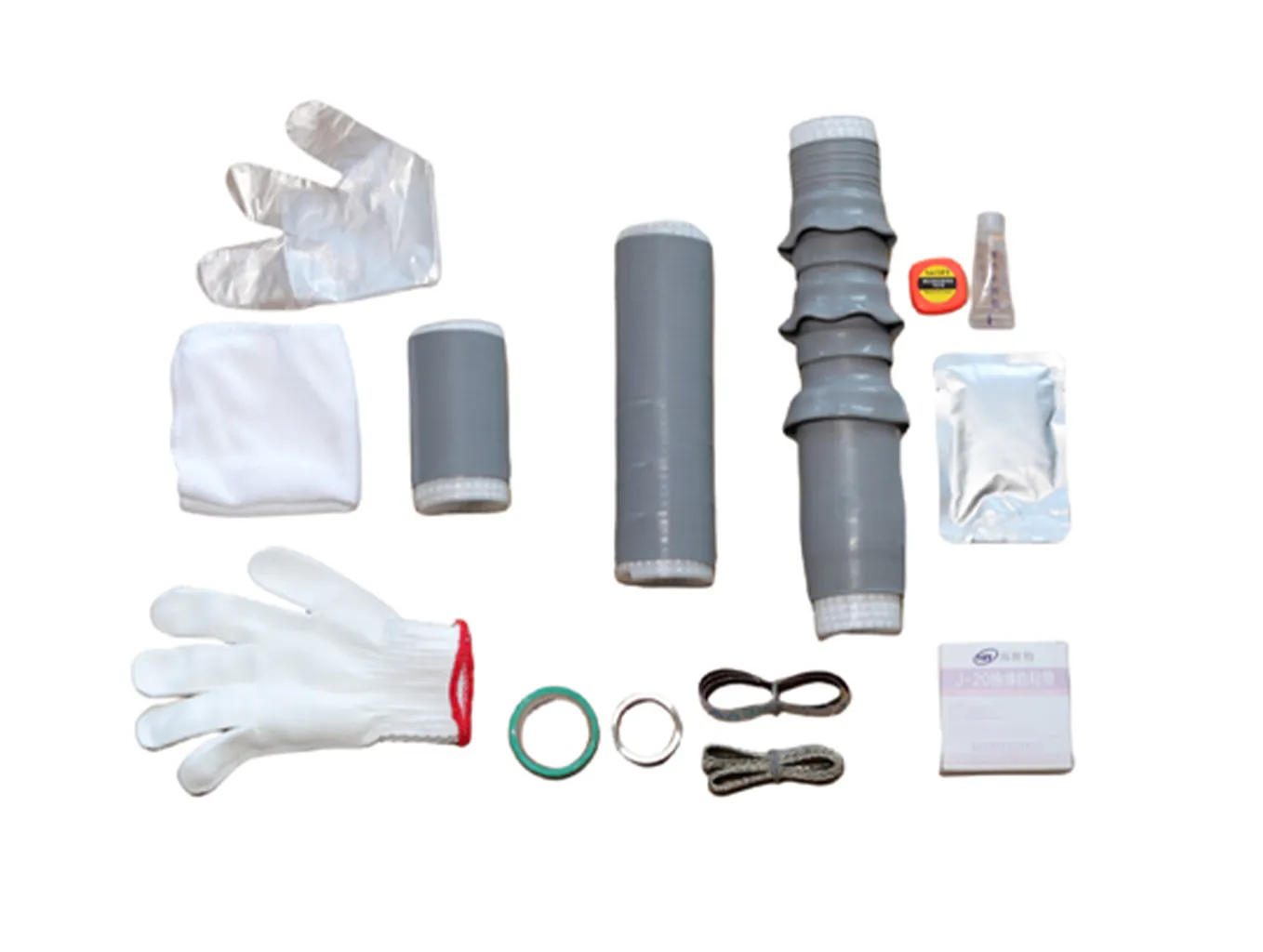

The world of electrical engineering and wiring involves a multitude of components ensuring the smooth and secure transmission of electrical signals. One of the key components in this landscape is the wire joint. These connectors play a vital role in both residential and industrial settings by facilitating the connection between two or more electrical wires. Whether you're an industry professional or a DIY enthusiast, understanding wire joints can significantly enhance the safety and efficiency of your electrical projects. This article aims to unravel the intricacies of wire joint connectors and their diverse applications.
Wire joint connectors are devices used to connect electrical cables or wires safely and efficiently. They come in various forms, each designed to suit specific requirements and environments. These connectors are crucial for establishing secure electrical connections, which help prevent short circuits and potential hazards.
Connector Type | Properties | Applications |
Solder and seal connectors | Waterproof, reliable connection | Outdoor and marine applications |
Heat-activated, shrinkable sleeve | Automotive and industrial environments | |
Various sizes, crimpable | General electrical connections |
The choice of connector largely depends on factors such as environmental exposure, load capacity, and the necessity for durability over time. Understanding these factors is key to selecting the right type of wire joint for your specific needs. Histe provides specialized solutions where every joint of electric wire is built for maximum resilience, ensuring that a professional joint of electric wire can withstand extreme thermal expansion without compromising system safety.
Wire joints can be found in a plethora of configurations, each tailored to distinct applications. One common type is the cable terminal, which involves crimping a connector onto a wire. This method is often used to attach wires to switchgear electrical components or disconnect switches. These terminals can be designed to handle both high and low voltage connections, making them versatile tools in electrical workmanship.
Another popular variety involves solder seal connectors, which offer an airtight seal against environmental factors. These connectors integrate a solder ring inside a heat-shrinkable sleeve, providing a durable connection heavily utilized in automotive and marine settings. Not forgetting heat shrink crimp connectors, which deliver a robust protective layer over the connection, ensuring it remains insulated and safe from external elements.
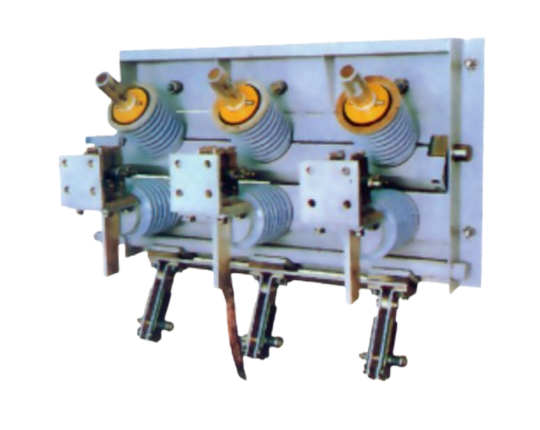
It's also worth noting the use of high voltage switchgear in conjunction with the right wire joints to ensure power distribution systems run smoothly. Proper wire joint selection here is vital for maintaining uninterrupted power flow and for protecting the system from electrical faults.
Electrical safety is paramount in both residential and industrial settings. Proper wire joint connectors, like heat shrink electrical connector kits, play an essential role in ensuring these connections are secure and safe. The following table provides an overview of how different connectors contribute to electrical safety:
Connector Type | Safety Features | Applications |
Prevents overload, easy to replace | Home electrical systems | |
Protects against voltage spikes | Industrial equipment | |
Robust insulation, shock proof | Heavy-duty machinery connections |
Using the correct wire joints not only mitigates risks of electrical fires but also extends the lifespan of electrical circuits by maintaining efficient current flow and reducing resistive losses. It's critical to match the environments and conditions with the suitable joint type to uphold optimal safety standards.
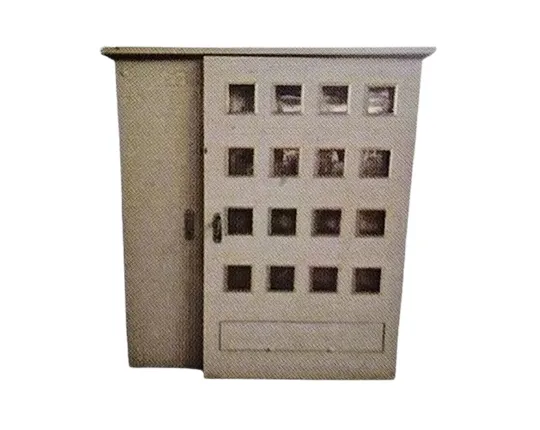
Wire joints are ubiquitous across various applications, ranging from simple home repairs to complex industrial setups. In residential domains, wire terminal types like spade and ring terminals facilitate connections to appliances, outlets, and lighting systems. For comprehensive industrial setups, components like switchgear manufacturers deploy specialized connectors for assembling switch panels and distribution boards.
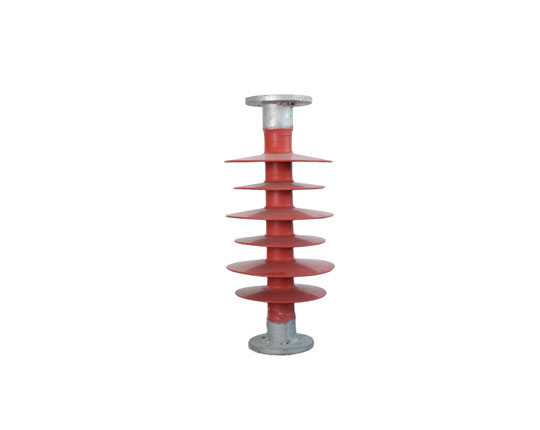
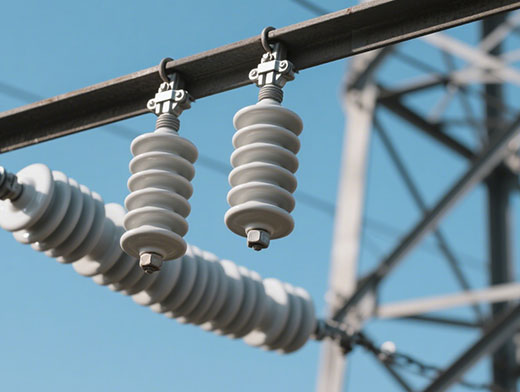
Advanced applications involve porcelain electrical insulators that are employed in high voltage systems to maintain clearances and prevent current leakage. Similarly, porcelain insulator structures ensure that connections withstand environmental conditions, especially in outdoor circuits exposed to weather elements. These represent just a few of the many electrical wiring joint types available for different applications.
On a larger scale, substation switchgear utilizes robust joint connectors to manage power distribution and transformation processes efficiently. Whether it's a fused disconnect switch in a transformer setting or a lightning surge arrester guarding against surges, the need for precise wire joint connections is indispensable for systems' reliability and safety.
Despite their critical role, wire joints can encounter several issues that compromise electrical systems. Common problems include loose connections, which can be mitigated using solder connectors heat shrink methods, providing a firm hold with added insulation. Cable joint issues can arise from poor assembly or environmental wear, often requiring specialized cable accessories for repairs.
Another frequent challenge is oxidation in wiring termination points, which calls for anti-corrosion treatments and regular inspections to ensure electrical termination remains unaffected. If installation areas experience moisture or humidity, ensure heat shrink solder connectors are used to prevent moisture ingress. Proper selection from available electrical wiring joint types can significantly reduce the risk of oxidation-related failures in harsh environments.
Finally, regular inspections and maintenance are critical in identifying potential issues before they escalate into major safety hazards—thereby safeguarding against unexpected electrical failures.
The diverse applications and different types of wire joints make them an essential element of both basic and complex electrical systems. Whether enhancing home installations or ensuring industrial machinery operates seamlessly, these connectors provide assurance in every connection. With careful selection, installation, and maintenance, wire joints help sustain the safety, efficiency, and reliability of electrical networks.
A thorough understanding of wire joint connectors thus empowers users to execute wiring tasks with confidence, ensuring secure and enduring electrical connections across various settings.