
Joining cable wires is an essential skill in various electrical applications, whether you're working on automotive systems, home electrical repairs, or professional installations. While soldering is a common method for creating secure wire connections, it isn't always feasible or necessary. This comprehensive guide will explore non-soldering techniques to connect wires effectively and safely without compromising the integrity of the electrical system. By understanding these methods, including the use of wire joints, solder seal connectors, and heat shrink solder connectors, you'll gain the confidence to handle multiple wiring projects with ease and efficiency.
A secure connection is paramount to ensure the stability and efficiency of the electrical circuit. There are several methods to join wires safely without soldering. Below we outline a step-by-step process using different tools and techniques to achieve a reliable connection:
Method | Description | Advantages |
Twist and Tape | Twisting wires together and insulating with electrical tape. | Simple, no special tools required |
Wire Nuts | Using a plastic insulating cap to secure wire ends together. | Quick, easy installation |
Crimp Connectors | Crushing a metal collar around wires to hold them firmly. | Strong connection, widely used for automotive and machinery |
Heat Shrink Solder Connectors | Combining mechanical crimping with heat for a snug fit. | Water-resistant, durable |
Butt Connectors | Joining two wire ends in a tubular metal sleeve. | Neat finish, maintains cable orientation |
Using these methods, you can join wires securely without the need for soldering, each technique offering its own benefits according to the specific application requirements.
Having the right tools is critical for any electrical project to proceed smoothly and produce reliable results. Below is an essential toolkit for non-soldering wire joining techniques:
Tool | Purpose |
Wire Stripper | Remove insulation from wire ends. |
Crimping Tool | Used alongside heat shrink electrical connector kits and crimp connectors. |
Heat Gun | Applies heat to shrink connectors securely. |
Electrical Tape | Insulate twisted wire connections. |
Multimeter | Test continuity and voltage across connections. |
By incorporating these tools into your setup, you can easily implement non-soldering techniques for securing wire joint.
Regardless of the technique employed, safety should always be your primary concern during any electrical work. Here are key safety protocols to follow:
Disconnect Power: Always ensure that the power is shut off before you begin working on any electrical connection to prevent shock and equipment damage.
Use Insulated Tools: Tools with insulated handles can protect against accidental shock if the power is inadvertently restored.
Avoid Exposed Wiring: Make sure all connections are adequately insulated to avoid short circuits.
Check Load Compatibility: Before completing the connection, ensure that the wire gauge and connector type are suitable for the current load requirements.
Verify Connection: Use a multimeter to ensure connections are secure and that there are no shorts before re-energizing the circuit.
Adhering to these safety precautions is vital to prevent accidents and ensure reliable electrical performance.
Even adept technicians and DIY enthusiasts can make mistakes when joining wires as they aim to create secure electrical terminations. Here's how to avoid common pitfalls:
Loose Connections: Ensure that all connectors are firmly in place to prevent arcing, which can lead to component failure or even fires.
Under-sized Connectors: Always match connectors to the wire gauge to ensure sufficient mechanical and electrical contact.
Insufficient Insulation: Cover spliced areas entirely to prevent exposure, which could lead to shorts or corrosion.
Ignoring Instructions: Properly follow manufacturer guidelines for devices such as fuse switch to ensure a secure and appropriate installation.
Over-tightening: Excessive force can damage threads and reduce the efficiency of connectors.
By being aware and cautious, you can prevent these common mistakes and ensure a stronger, more reliable electrical connection.
Once the connection is made, it's crucial to test it to ensure it will perform as expected under load. Here's how:
Continuity Test: Use a multimeter to verify the continuity across the joint; any reading indicates a good connection.
Voltage Drop Test: Check for minimal voltage drop to confirm that there is no resistance at the joint.
Thermal Test: Carefully feel the joint after applying load; overheating might indicate a poor connection.
Environmental Test: For applications exposed to the elements, ensure that solder seal connectors and heat shrink solutions are watertight.
By conducting these tests, you ensure the wire joint will function effectively and withstand the application's environmental demands.
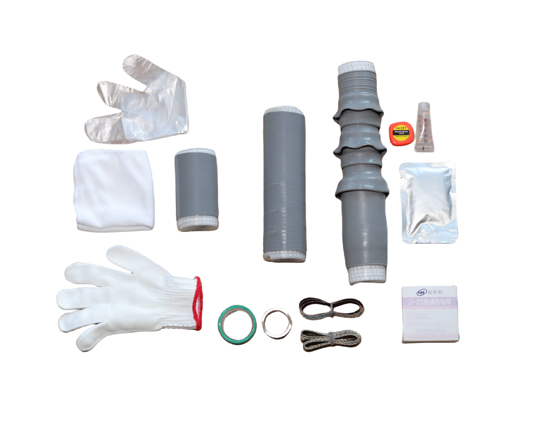
With constantly advancing technology, alternative wire joining methods such as switch disconnector and innovative cable accessories offer practical, efficient, and reliable solutions, without requiring extensive expertise in soldering.
Joining wires safely and efficiently without the need for soldering is entirely feasible and practical across numerous applications. This guide offered a detailed view of non-soldering techniques, necessary tools, and essential safety precautions. Whether utilizing electrical switchgear suppliers, implementing a lightning surge arrester, or creating fuse switch solutions, each approach is tailored to provide a secure and trustworthy connection. By understanding the different joining methods, common mistakes to avoid, and conducting proper tests, you can ensure a safe and enduring electrical system without compromising on quality or performance. Histe continues to distinguish itself from other cable joint suppliers by offering a diverse range of non-soldering jointing solutions that optimize conductivity and long-term mechanical strength in any environment.