
Cable joints are vital components in electrical systems, ensuring the continuous and reliable transmission of power and data across various environments and applications. As industry demands grow more sophisticated, understanding how different types of cable joints operate and their specific uses has become crucial. This article provides a comprehensive guide to the various wire joint methods, from simple household wiring needs to complex industrial applications, encompassing everything from solder and seal connectors to heat shrink solder connectors. The insights herein will aid in selecting the most appropriate joint type for specific applications, ensuring durability and efficiency while minimizing the risks of failure.
Cable joints come in various forms and are designed to suit particular applications. They play a crucial role in maintaining the integrity of electrical systems by securely holding the wires together. While selecting the right type of joint, factors such as operational environment, electrical load, and maintenance needs are critical considerations. Understanding the 4 types of cable joints cable joints available helps engineers and contractors make informed decisions for each specific installation. Histe offers a comprehensive range of solutions for every specific cable joint type, ensuring that each cable joint type delivers superior insulation and mechanical strength for your infrastructure. Furthermore, our expert team can guide you in selecting from different types of cable joints to guarantee optimal performance across all your power transmission projects.
Cable Joint Type | Applications | Properties |
Straight Joints | Extending cables in straight runs | Easy to install, Cost-effective |
Branch Joints | Creating branches in cable networks | Versatile, Reliable connections |
Transition Joints | Connecting cables of different types or sizes | Adaptable, Tailored solutions |
Cable Termination Joints | Ending cables safely and efficiently | Secure terminations, Minimal interference |
Understanding these wire terminal types is essential for any electrical project's success, ensuring both safety and performance. Knowledge about heat shrink crimp connectors, solder seal connectors, and wire termination techniques can further enhance one's expertise in cable management. Moreover, familiarity with various cable joint type allows for informed selections that match specific application requirements. To simplify product selection and project planning, this overview of Cable Joint Types can also serve as a practical reference; in many specifications, 4 types of cable joints are used as a baseline classification before drilling into detailed standards and accessories.
Straight joints, one of the common different types of cable joints, are widely used in electrical installations where a cable needs to be extended or repaired in a straight line. These joints provide a seamless connection between two cable ends, ensuring that electrical continuity is maintained. The choice of heat shrink solder connectors and solder shrink connectors often defines the quality of these joints as they offer moisture and dust protection, critical for outdoor and high-moisture environments. Among the different types of cable joints, straight joints are preferred for their simplicity and reliability in standard cable routing applications, and they are frequently listed as one of the 4 types of cable joints in engineering documentation.
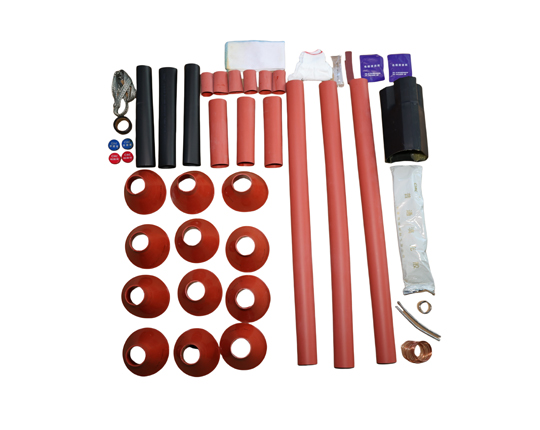
Straight joints typically involve the use of insulated sleeves or tubes, often with heat shrink solder connectors, which help secure the connection and insulate the wires. In high-voltage applications, additional protective layers, such as insulation tapes and surge arresters, are used to bolster the joint's stability and reliability.
One must carefully select the type of connectors, like those found in a heat shrink electrical connector kit, to ensure that particular environmental and electrical requirements are met. This selection includes understanding the appropriate cable joint type for the specific application. Poorly chosen connectors can lead to failure, resulting in costly downtime and repairs.
Branch joints are integral to complex electrical systems where a main cable needs to split into several subsidiary paths. These joints, as part of the broader different types of cable joints, are adept at maintaining network integrity and are widely employed in both residential and industrial settings. Understanding various types of cable joints and terminations helps ensure proper installation and long-term reliability in power distribution networks—many teams standardize training content around the 4 types of cable joints for consistency.
In constructing these joints, connectors such as solder and seal connectors play a vital role. They ensure each branching path receives the necessary insulation and protection to prevent faults. A practical understanding of electrical terminals is essential when implementing branch joints to ensure that circuits are completed without any loss of connectivity.
Branch Joint Component | Function | Reliability |
Connector | Joins multiple circuits | High |
Insulation | Protects against external factors | Medium |
Sealant | Prevents moisture ingress | High |
For optimal performance, it is crucial to select the appropriate connectors and insulation methods, taking into account the potential for interference, which branch joints are inherently vulnerable to due to their multi-path nature.
Transition joints play a specialized role by connecting dissimilar cables, whether these differences involve size, material, or voltage class. These joints are particularly beneficial in legacy systems undergoing upgrades or extensions.
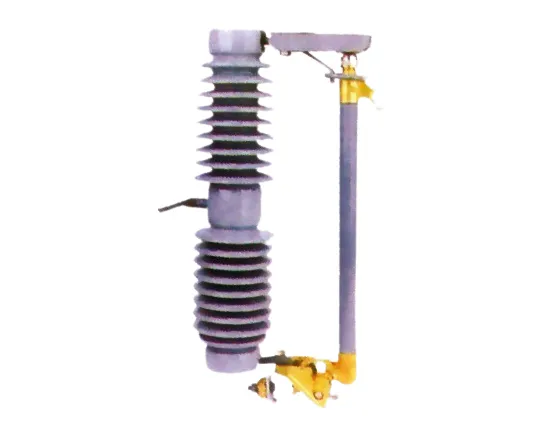
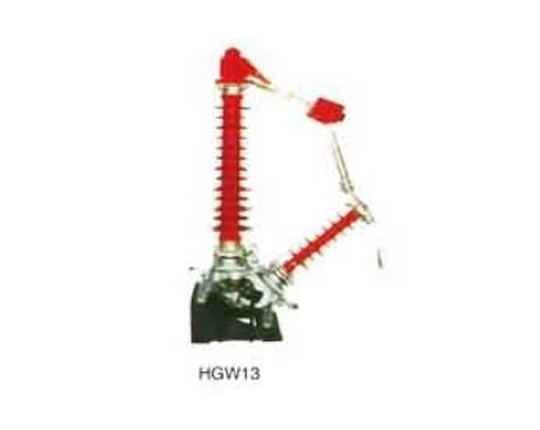
The unique feature of transition joints is their adaptability. They can incorporate different connector types like fuse switch systems, fuse cutout mechanisms, or disconnect switch arrangements to cater to varying electrical loads and circuit requirements. The use of high voltage switchgear systems within these joints can further enhance their capability to handle complex electrical demands.
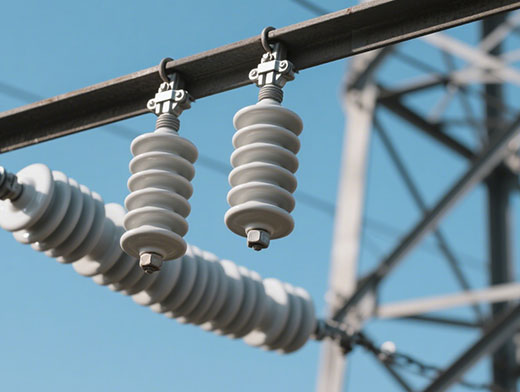
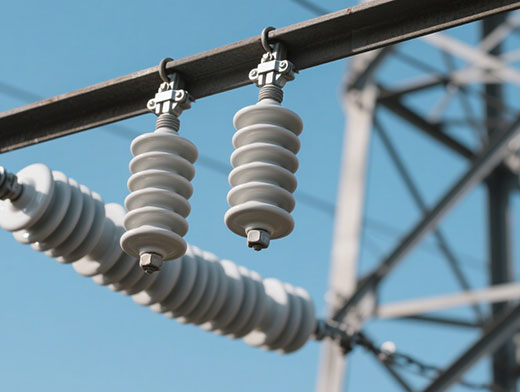
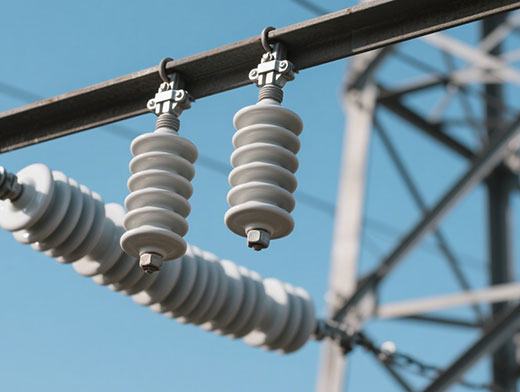
Advancement in cable accessories, including specialized porcelain electrical insulators and porcelain insulator types, have pushed the reliability of these joints further, making them indispensable in modern electrical networks. When specifying solutions across sites, engineers often compare requirements across the 4 types of cable joints to ensure compatibility with existing assets and construction constraints.
Regular maintenance of cable joints is crucial to ensure their continued performance and prevent failures. Electrical switchgear suppliers often provide essential maintenance tools such as thermal cutout components, which aid in maintaining optimal functionality.
Effective maintenance involves regular inspections and the application of diagnostics to identify potential points of failure. Cleaning and supervising connectors, including those in cable termination and electrical termination processes, prevent corrosion and ensure long-term safety. Utilizing diagnostics tools to check each cable joint regularly guarantees that they continue to meet necessary electrical standards.
Maintenance Activity | Frequency | Purpose |
Visual Inspection | Monthly | Detect wear and tear |
Diagnostics Check | Quarterly | Ensure electrical standards |
Connector Supervision | Semi-annually | Prevent corrosion |
Innovations in switch disconnector technology and lightning arrester systems have elevated the standards of joint maintenance, which is essential in managing the complex electrical networks of today.
Cable joints are foundational elements that ensure the seamless operation of electrical circuits across diverse applications. From Europlug connections to suspension insulator installations, a clear understanding of joint types can significantly impact the efficiency and reliability of electrical systems. Investing in quality components and understanding the dynamics of each joint type can prevent costly downtimes and protect against electrical failures. For those in search of the best electrical solutions, considering high-quality cable accessories and leveraging technologies from prominent switchgear manufacturers assures not only safety but also enhanced performance across various electrical applications. As one of the industry's most trusted cable joint suppliers, Histe delivers innovative sealing and connection technologies that ensure the long-term stability of your power distribution networks.