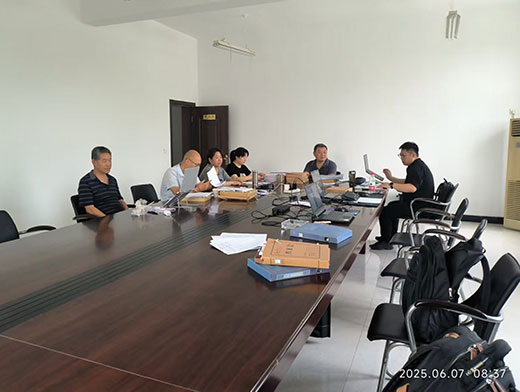

As solar and wind projects scale in 2026, reliability expectations are rising while sites become harsher — heat, UV, moisture, vibration, and long cable runs all increase connection failure risk. A high-quality cable terminal is a small component with outsized impact: it reduces resistance, prevents overheating, and protects uptime across inverters, transformers, combiner boxes, and switchgear. This guide explains the key performance factors and how to choose from the types of cable joints and terminations used in modern renewable energy electrical systems.
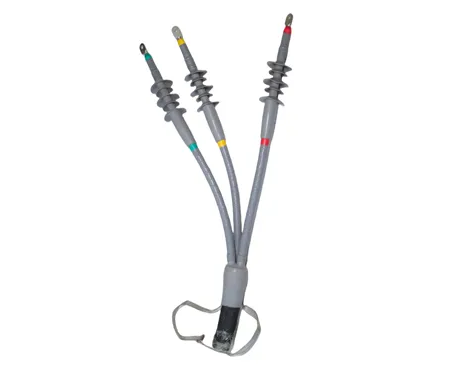
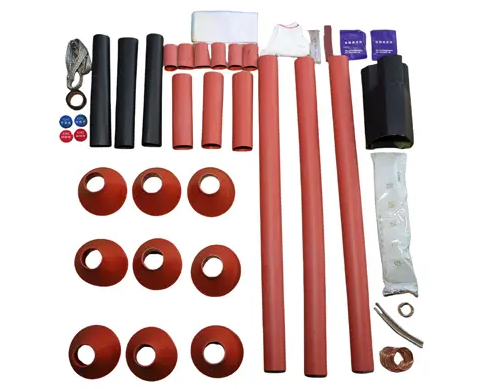
Terminations are statistically among the most common failure points in electrical systems — not because the technology is complex, but because small errors in selection, crimping, or installation create progressive degradation that eventually causes overheating, arcing, or open circuit.
| Failure Mode | Root Cause | Renewable Project Impact |
|---|---|---|
| High contact resistance | Improper crimp; wrong lug size; conductor contamination | Hotspot → insulation damage → arc fault |
| Corrosion at lug interface | Moisture ingress; galvanic mismatch (Cu/Al without bimetal) | Progressive resistance increase; eventual failure |
| Vibration loosening | Insufficient torque; spring washer omitted | Intermittent contact; arcing |
| Thermal cycling fatigue | Repeated expansion and contraction at lug-to-busbar joint | Mechanical fatigue; loosening over years |
Remote location, limited maintenance windows, and performance guarantees mean a termination failure on a solar farm or wind installation carries a cost far beyond the component itself. Identifying and repairing a single overheating lug in a 100 MW installation can require a half-day shutdown and infrared inspection across hundreds of connections.
| Factor | What It Affects | What to Specify |
|---|---|---|
| Contact resistance | Heat generation at the interface — lower is better | Measured in micro-ohms at rated current |
| Conductor match | Galvanic compatibility between lug and cable | Copper lug for copper cable; bimetal for aluminum |
| Plating type and thickness | Corrosion protection and long-term resistance stability | Tin plating minimum; silver for high-performance |
| Lug barrel design | Crimp quality and mechanical retention | Confirm barrel wall thickness and crimp die compatibility |
| Current-carrying capacity | Maximum continuous current without exceeding temperature rise | Match to cable ampacity and ambient temperature |
A cable terminal that is correctly sized and correctly crimped will carry rated current with minimal temperature rise. The same terminal incorrectly applied — wrong crimp die, undersized barrel, or oxidized conductor — can run 20–40°C above ambient at full load. In an enclosed inverter cabinet or buried conduit run, that heat rise accumulates and accelerates insulation aging across the entire connection.
Cable conductor material: copper or aluminum — determines lug material and bimetal requirement
Cable cross-section in mm² — must match the lug barrel range exactly
System voltage class — LV (below 1 kV), MV (1–36 kV), or HV
Operating temperature range — ambient plus installation environment (desert, coastal, enclosed)
Insulation sleeve requirement — bare or heat-shrink insulated lug
| Type | Where Used in Renewable Systems | Key Selection Criteria |
|---|---|---|
| Compression cable lug | Inverter output terminals, transformer LV connections, switchgear busbars | Cable size range, material match, current rating, plating |
| Bimetal lug | Aluminum cable to copper busbar transition — common in large-scale solar | Must specify Cu side to busbar and Al side to cable |
| Heat-shrink termination | Outdoor medium-voltage cable ends at string combiner or MV switchgear | Voltage class, weather seal quality, UV resistance |
| Cold-shrink termination | MV cable ends where heat gun use is impractical or restricted | Voltage class, pull-off force, environmental rating |
| Straight joint/splice | Extending cable runs, repairing damage in underground sections | Voltage class, insulation restoration, waterproofing level |
| Transition joint | Joining different insulation types or conductor materials | Compatibility with both cable constructions |
| Environment | Primary Threat | Protection Required |
|---|---|---|
| Coastal wind farm | Salt fog corrosion at bare copper lugs and busbars | Tin or silver plating; sealed heat-shrink sleeve; enclosed cabinet |
| Desert solar | Thermal cycling + UV degradation of insulation sleeves | UV-stable sleeve material; high-temperature rating |
| Offshore wind | Severe salt and humidity; vibration from turbine rotation | Marine-grade sealed terminations; lock-wire or locking hardware |
| Underground array cables | Moisture migration over time | Waterproof cold-shrink or heat-shrink joints; gel-filled options |
| Turbine tower (tower base to nacelle) | Continuous vibration; temperature cycling | Anti-vibration lugs; spring washers; high-torque flanged connections |
Tin-plated copper lugs: industry standard for good corrosion resistance in most environments
Bimetal lugs: mandatory when aluminum cable terminates to copper — prevents galvanic corrosion at the interface
Sealed insulation sleeves: pre-attached heat-shrink or adhesive-lined sleeves seal moisture entry at the cable entry point
Torque verification: apply calibrated torque wrench to the target value — under-torqued connections are a primary cause of long-term loosening
Use the correct crimp die matched to the lug series — a die from a different manufacturer may produce an incorrect crimp geometry even if the nominal size matches
Prepare the conductor: strip to the correct length, remove oxide layer (particularly important for aluminum), apply appropriate compound for aluminum terminations
Document the installation: photograph each connection, record torque values, and scan with infrared during commissioning
| Specification | What to Define |
|---|---|
| Conductor type and cross-section | Copper or aluminum; mm² range |
| Current rating and temperature class | Rated continuous current; maximum operating temperature |
| Voltage class | LV, MV, or HV; insulation level |
| Plating specification | Tin, silver, or bare; minimum thickness in µm |
| Compliance standard | IEC, UL, or project-specific standard |
| Insulation sleeve | Bare, PVC-sleeved, or heat-shrink pre-attached |
| Document | What It Confirms |
|---|---|
| Material test certificate | Copper or bimetal composition and purity |
| Pull-out force test report | Mechanical retention of crimped conductor in barrel |
| Contact resistance test report | Measured resistance at rated crimp versus specification |
| Heat cycle test report | Resistance stability after repeated thermal cycling |
| Batch traceability | Links each delivery to production lot and test records |
Specify approved crimp tools and die numbers in the installation specification — do not allow field substitution
Require installer training or certification documentation for MV terminations
Commission with infrared thermal scan at first full load — catches high-resistance connections before they cause insulation damage
Photograph and document every MV joint and termination as part of the as-built package
In 2026 renewable builds, connection failures remain among the most avoidable causes of downtime. Selecting the right cable terminal—and understanding how it fits within the broader range of cable joints and terminations—helps maintain stable performance through heat cycles, harsh weather, and sustained high-current operation across a 25-year project life. The most reliable outcomes come from working with proven cable accessories manufacturers that supply high-insulation, weather- and ageing-resistant materials (such as imported silicone rubber, porcelain, and glass), backed by patented technology, engineering-level technical support, and rigorous high-voltage laboratory testing (up to 100kV). Pairing quality hardware with correct crimp tooling and documented installation standards from day one further ensures long-term safety and stability.
Q1: Why does a cable terminal matter so much in solar and wind installations?
Terminations are one of the most common failure points in electrical systems. A correctly selected and installed cable terminal minimizes contact resistance and prevents the overheating that causes insulation damage, arc faults, and unplanned generation outages — particularly significant at remote sites where maintenance access is limited.
Q2: What are the main types of cable joints and terminations used in renewable energy projects?
Compression cable lugs for equipment connections at inverters, transformers, and switchgear; bimetal lugs for aluminum-to-copper transitions; heat-shrink and cold-shrink terminations for medium-voltage cable ends in outdoor applications; and straight joints or splices for extending or repairing cable runs in underground array cable systems.
Q3: When should I use bimetal lugs instead of standard copper lugs?
Use bimetal lugs whenever an aluminum conductor terminates to a copper busbar or equipment terminal. The bimetal construction — aluminum on the barrel side, copper on the palm side — prevents galvanic corrosion at the interface that would progressively increase resistance and eventually cause a thermal failure.
Q4: What causes overheating at cable terminations in renewable installations?
The most common causes are incorrect crimp die selection producing a poor crimp geometry, undersized barrel for the conductor cross-section, failure to remove oxide from aluminum conductors before crimping, insufficient torque at the bolted connection, and moisture-induced corrosion increasing resistance over time. Infrared scanning at commissioning catches these conditions before they cause damage.
Q5: What should I confirm before ordering cable terminals in bulk for a renewable project?
Confirm conductor type and cross-section, current rating and operating temperature class, voltage class and insulation requirement, plating specification and thickness, applicable compliance standard, approved crimp tool and die series, and required QA documentation including pull-out force, contact resistance, and heat cycle test reports.
This is the first one.