
Surge arresters and surge protectors both play significant roles in the protection of electrical equipment, but they have notable differences in protection principles, applicable scenarios, and technical characteristics.
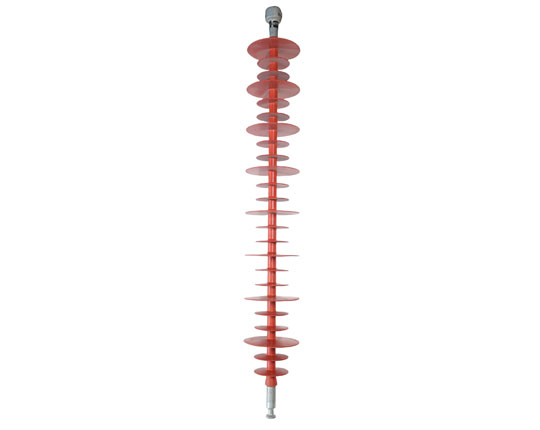
Surge Arresters: Suitable for voltage levels ranging from low voltage of 0.4kV to extra-high voltage of 500kV, with a wide application range. Surge arresters can provide effective overvoltage protection at various voltage levels, applicable in different voltage levels of power transmission and distribution systems.
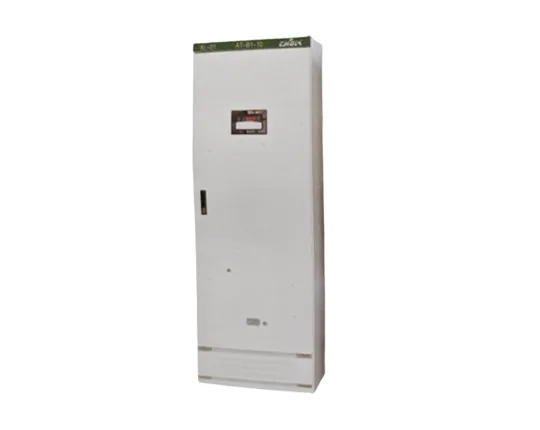
Surge Protectors (SPD): Typically used in voltage environments below 1kV, mainly providing overvoltage protection for low voltage power systems. Surge protectors are particularly suitable for low voltage power supply systems, such as the protection of homes, commercial buildings, and small industrial equipment.
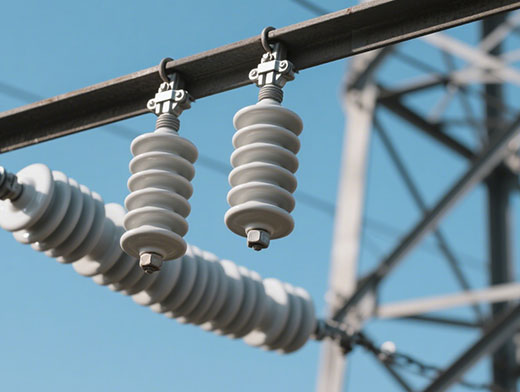
Surge Arresters: Mainly used to protect large electrical equipment from lightning strikes and overvoltage damage. Surge arresters are usually installed in substations, power plants, and high voltage transmission lines to protect transformers, switchgear, and other critical electrical equipment.
Surge Protectors (SPDs): Generally used to protect secondary signal circuits, electronic instruments, and other end-user power circuits. Surge protectors are widely used to protect computer networks, communication equipment, medical equipment, and other sensitive electronic devices.
Surge Arresters: Designed with a high insulation level, suitable for high voltage that electrical equipment can withstand. Surge arresters need to have high insulation strength to cope with lightning strikes and operational overvoltage in high voltage environments.
Surge Protectors (SPDs): Have a lower insulation level, suitable for the low voltage that electronic equipment can tolerate. The design of surge protectors needs to consider the low withstand voltage characteristics of electronic devices to provide appropriate protection.
Surge Arresters: Usually installed in primary systems, mainly used to block lightning waves and prevent direct impact on overhead lines and electrical equipment, commonly seen at the line inlet. The installation positions of surge arresters are typically at the incoming line end of substations, key nodes of transmission lines, and the inlet and outlet of high voltage equipment.
Surge Protectors (SPDs): Often installed in secondary systems as supplementary protection to surge arresters, commonly seen at terminal outlets or signal circuits. Surge protectors are typically installed in distribution boxes, equipment ports, and at the entrances of signal lines to provide multi-level protection.
Surge Arresters: Designed with a large current carrying capacity, primarily to prevent lightning overvoltage. Surge arresters need to withstand and disperse large current lightning impacts to protect electrical equipment from damage.
Surge Protectors (SPDs): Have a relatively smaller current carrying capacity, with the primary task of controlling residual voltage, preventing lightning overvoltage and operational overvoltage from damaging electronic equipment. The design of surge protectors focuses on quick response and effective overvoltage limitation to protect sensitive electronic devices.
Insulation Level: Surge arresters and surge protectors have significant differences in insulation levels. Surge arresters need high insulation strength, while surge protectors need to adapt to low voltage environments.
Parameter Focus: The two focus on different parameters in design and application. Surge arresters focus on current carrying capacity and withstand voltage level, whereas surge protectors focus more on response time and residual voltage control.
Fine Protection: Surge protectors are particularly suitable for providing fine protection for low voltage power supply systems. They can effectively absorb and disperse high-energy surges in the circuit, protecting electronic equipment from damage.
Multiple Specifications: Depending on different AC or DC power sources, different specifications of surge protectors can be selected. Users can choose the most suitable surge protector according to specific needs to achieve optimal protection effects.
Terminal Protection: Installing surge protectors at terminal equipment can be used in conjunction with front-level surge protectors to provide better protection. Multi-level protection can effectively enhance the overall protection capability of the system.
Surge Arresters: The main material is zinc oxide, which belongs to the metal oxide varistor. Zinc oxide surge arresters have excellent nonlinear V-I characteristics, enabling them to quickly conduct at high voltage and disperse lightning energy.
Surge Protectors (SPDs): The materials are more complex and vary according to different surge protection levels and graded protection standards (IEC61312), with design being more precise than general lightning protectors. Surge protectors usually adopt multiple materials combinations such as metal oxide varistors (MOV) and gas discharge tubes (GDT) to provide multi-layered protection.
Surge Arresters: Relatively weaker in response time, limiting voltage effect, comprehensive protection ability, and aging resistance. The design of surge arresters is primarily for high voltage and large current lightning impacts, with a longer response time.
Surge Protectors (SPDs): Perform better in the aforementioned technical indicators. Surge protectors have a fast response time, low residual voltage, and good aging resistance, capable of providing finer protection.
Surge arresters and surge protectors each have their unique roles and application scenarios in electrical systems. Surge arresters are mainly used for protecting large electrical equipment in high voltage environments, while surge protectors are more suitable for protecting electronic equipment in low voltage environments. Understanding their differences and respective advantages helps in making more reasonable choices in the design and maintenance of electrical systems.